
Straight Shaft vs. Curved Shaft Trimmers
Learn the differences and benefits of each shaft type.
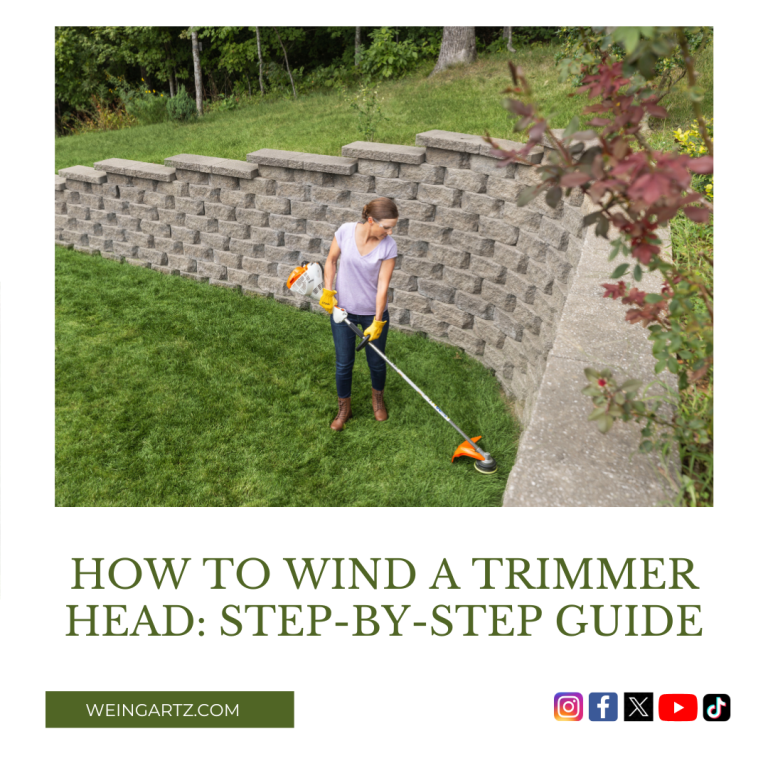
String trimmers are almost as essential as a mower when it comes to maintaining a great yard. Trimmers cut down the straggling grass around your trees and fences, and are easy to use and aid in hard-to-reach areas that mowers leave behind.
When shopping for a string trimmer, have you ever wondered “Should I choose a trimmer with a straight or curved shaft?”
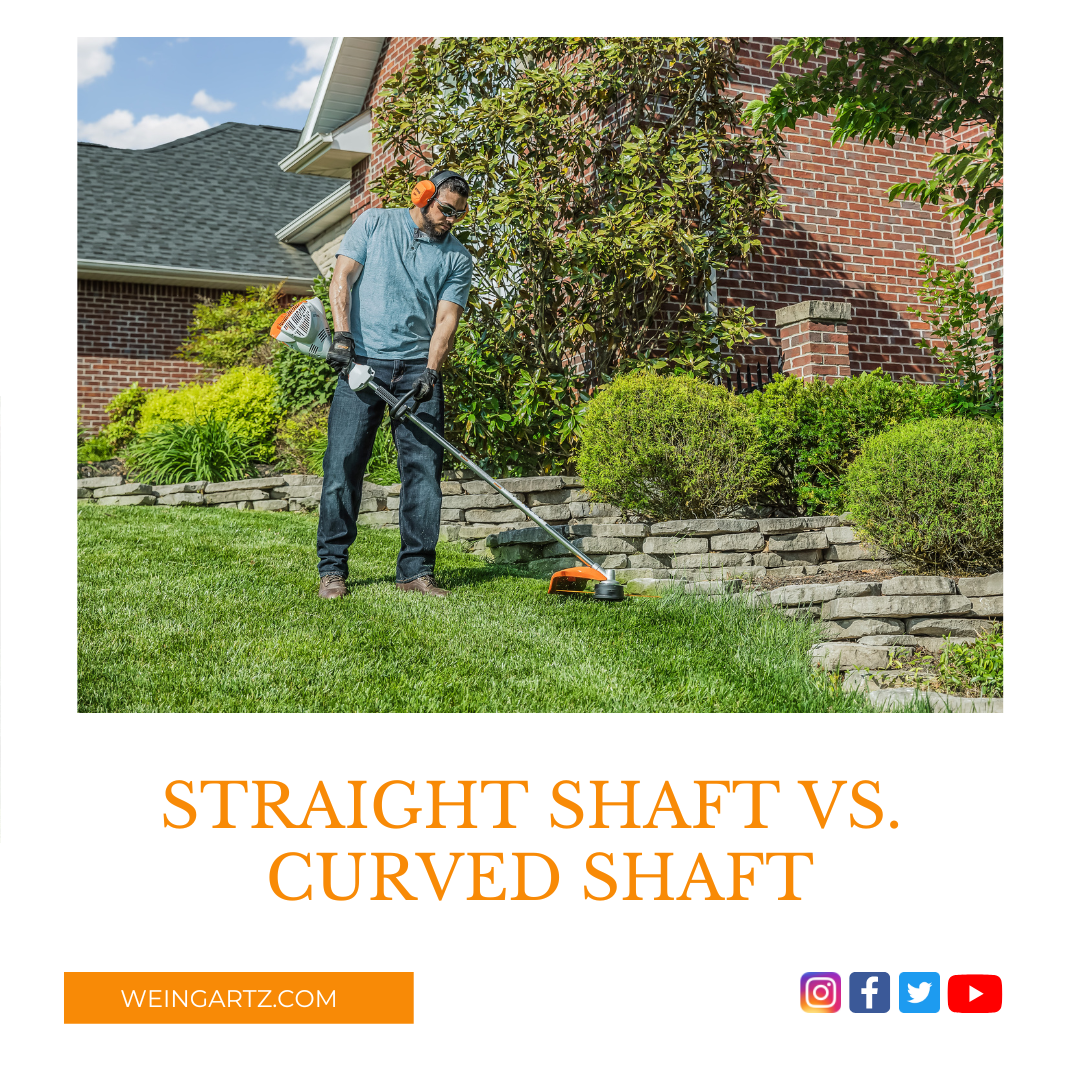
If your answer is no, you’re not alone. Many think a string trimmer’s shaft is just a pole that runs from one end to another. That being said, you’ve probably noticed that some trimmers have a straight shaft, while others have a curved one. There are reasons for that, and they affect comfort level, trimmer usage and performance, and more.

A string trimmer’s shaft is important. The shaft does the important work of connecting the power source, either an engine or motor, to the trimmer head and the string at the bottom. Inside the shaft is a drive mechanism. The drive takes power from the engine or motor and uses it to rotate the trimmer head while you work.
Straight Shaft Trimmers
Straight shaft trimmers are more common than curved shaft trimmers. The straight shaft design allows for more options when it comes to the drive mechanism inside the shaft. The drive inside a straight shaft can be a cable made from plastic or steel. Since it doesn’t have to bend to accommodate a curved shaft, it also can be a solid steel driveshaft, typically an option on commercial-grade trimmers.
Straight-shaft trimmers have gearboxes to help convert the rotational force of the engine or motor (also known as torque) into the speed of the head.
A straight shaft is often longer than a curved shaft. Longer shafts make it easier to trim hard-to-reach areas. These are also usually more comfortable for taller operators to hold.
A straight shaft trimmer with a solid steel driveshaft has a more durable construction than trimmers with a plastic drive cable and can use heavier-grade replacement string and optional cutting blade attachments in place of the string.
The straight-line design of these trimmers helps create more torque, which means more cutting strength with minimal vibration.
Curved Shaft Trimmers
Curved shaft trimmers are not as popular as straight shaft trimmers, but they have great ergonomics and features to appeal to usual homeowners.
Inside the curved shaft is a drive cable that connects the power source to the trimmer head without a gearbox. Unlike the design of straight shafts, the drive cable is made of a flexible plastic that allows it to fit the bend of the curved shaft. A downside to this design is that curved trimmers are usually less durable and less suitable for long hours of use.
Since the powerhead on a curved shaft trimmer points downward, it’s easier to see and maneuver around objects in the yard. The trimmer head can work closer to ground level, and the curve provides greater leverage and better balance.
Curved shaft trimmers are easier to carry. The shorter shaft on curved trimmers is lighter compared to straight shaft trimmers which tend to be heavier and feel more unbalanced.
While curved trimmers are lightweight and easy to carry, the downside is that these trimmers are limited to using light or low-gauge replacement line. However, for most homeowners this shouldn’t affect trimmer performance.
Straight Shaft vs. Curved Shaft
Straight shaft string trimmers are designed for greater durability, versatility, and higher power output. These trimmers are ideal for demanding jobs/long hours that professionals and users with lots of acreage handle.
Curved shaft string trimmers are easy to use in tight and hard-to-reach spaces with obstacles like trees and flower beds. Their low weight makes them comfortable to carry and perfect for homeowners who don’t need to run their trimmers every day. Curved trimmers are also available at a lower price point.

The style of the string trimmer shaft affects the tool’s durability, power output, and even the price. Having an idea of how often you plan to use your trimmer can help in the buying process.
For any questions related to a new or used string trimmer, feel free to contact us, as well as for any parts or service needs.
You May Also Enjoy These Articles:
How to Maintain the Perfect Lawn
Essential Equipment for Lawn Maintenance
Buyer’s Guide to Trimmers and Brushcutters
Watering the Lawn: 5 Things to Consider
Why Weingartz?
Weingartz, family owned and operated, began in 1945 as a farm supply store for local Michigan families. In the 1970s, we began to focus exclusively on outdoor power equipment. Over time, we morphed into the “power equipment superstore” that now defines all of our locations. The staff and experts at Weingartz work diligently to provide the best service possible and give honest and helpful advice to each and every customer.
Weingartz also sells parts for all outdoor power equipment at https://weingartz.com/parts-lookup.
Weingartz
5436 Jackson Rd.
Ann Arbor, MI 48103
(734) 239-8200
info@weingartz.com
Connect With Us!
https://www.facebook.com/WeingartzLawnToSnow
http://pinterest.com/MrWeingartz
Sign up for our electronic monthly newsletter for discounts and money-saving tips.