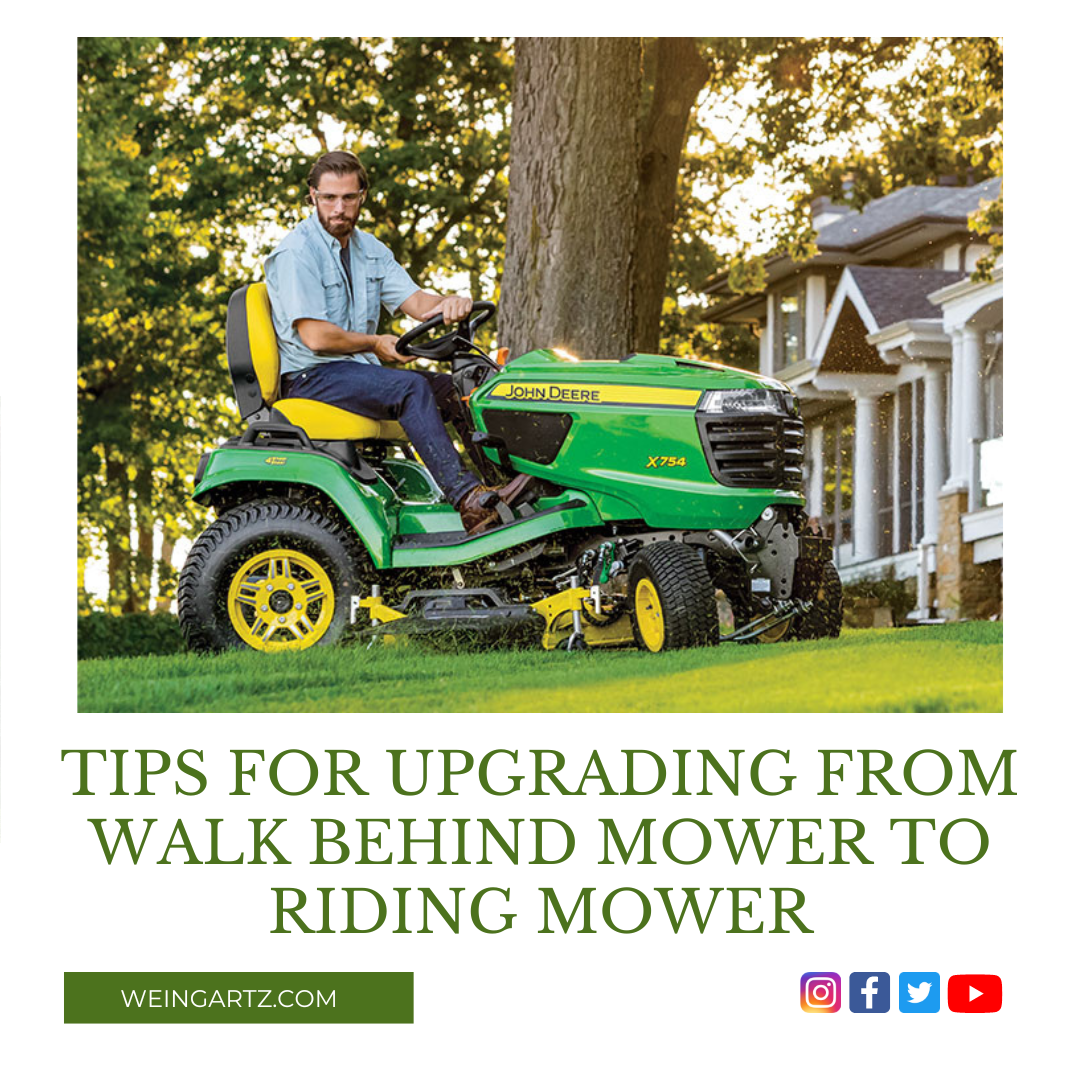

Making the leap from a walk behind lawn mower to a riding mower is a significant step that can transform your lawn care experience. Before upgrading, there are several important factors to consider to ensure you choose the right riding mower and make the most of its capabilities. Here’s what you need to know:
Lawn Size and Terrain
One of the primary considerations is the size and terrain of your lawn. Riding lawn mowers are ideal for larger yards, especially those with uneven terrain or slopes. Assess the size of your lawn and the type of terrain to determine if a riding mower is suitable for your needs.
Mower Deck Size
Riding mowers come with varying deck sizes, which determine the width of grass that can be cut in a single pass. Consider the size of your lawn and any narrow or tight spaces that may require maneuverability. Select a mower deck size that balances efficiency with maneuverability.
Engine Power
The engine power of a riding mower influences its performance, especially when tackling thick grass or challenging terrain. Choose an engine size that matches the demands of your lawn. Higher horsepower engines provide more power for tougher mowing conditions.
Steering Type
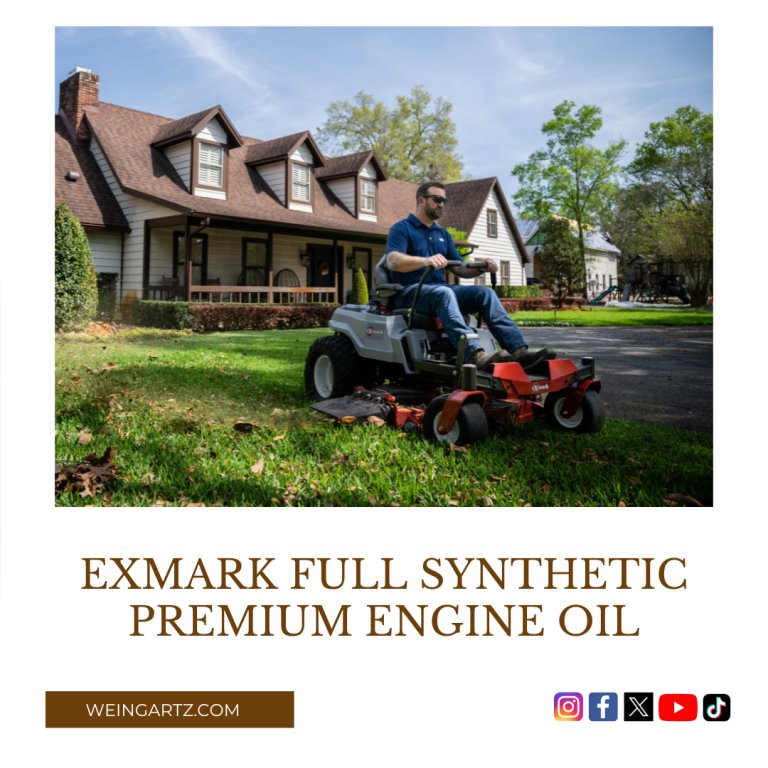
Riding mowers offer different steering options, including steering wheels and steering levers. Zero turn riders provide exceptional maneuverability, making them ideal for intricate landscaping and tight spaces. Consider your comfort and the layout of your lawn when choosing a steering type.
Attachments and Accessories
Riding lawn mowers often come with a range of attachments and accessories that enhance their functionality. These may include bagging systems, mulching kits, tow-behind carts, snow blades, and more. Evaluate the attachments you may need for your lawn maintenance tasks.
Storage and Maintenance
Riding mowers require adequate storage space, whether it’s a garage, shed, or covered area. Consider the storage requirements of the mower, including its size and any accessories. Additionally, plan for regular maintenance such as oil changes, blade sharpening, and overall upkeep.
Safety Features
Familiarize yourself with the safety features of riding mowers, including seat belts, operator presence controls, and emergency shut-off mechanisms. Follow safety guidelines and precautions to always ensure safe operation.
Budget
Lastly, establish a budget for your riding mower purchase, taking into account the initial cost, maintenance expenses, and any additional accessories or attachments. Compare different models and features to find the best value for your budget.
Transitioning from a walk behind mower to a riding mower can streamline your lawn care routine and make mowing more efficient and enjoyable. By considering these factors and choosing a riding mower that suits your needs, you can elevate your lawn care experience and achieve professional results with ease.
You May Also Enjoy These Articles:
Choosing the Best Riding Mower for Your Lawn
Benefits of a Walk Behind Lawn Mower Vs a Riding Lawn Mower
Advancements to Zero Turn Riders
Engine Maintenance Tips for Zero Turn Riders
How to Maintain the Perfect Lawn
5 Lawn Mower Tune-up Tips for Spring
Why Weingartz?
Weingartz, family owned and operated, began in 1945 as a farm supply store for local Michigan families. In the 1970s, we began to focus exclusively on outdoor power equipment. Over time, we morphed into the “power equipment superstore” that now defines all of our locations. The staff and experts at Weingartz work diligently to provide the best service possible and give honest and helpful advice to each and every customer.
Weingartz also sells parts for all outdoor power equipment at https://weingartz.com/parts-lookup.
Weingartz
11875 Northland Dr.
Cedar Springs, MI 49319
(616) 696-2913
info@weingartz.com
Connect With Us!
https://www.facebook.com/WeingartzLawnToSnow
http://pinterest.com/MrWeingartz
Sign up for our electronic monthly newsletter for discounts and money-saving tips.